Valentine’s Day: Love Not Pain

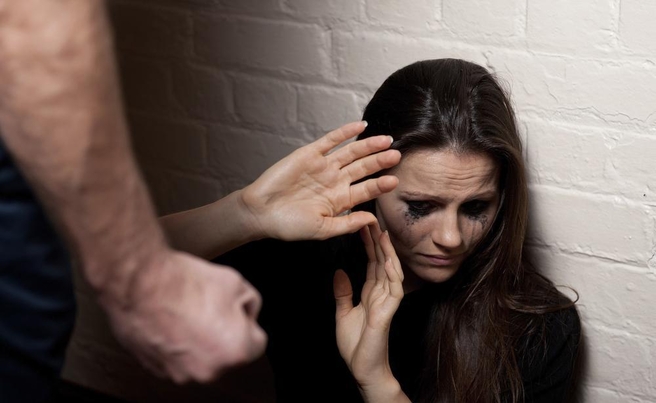
Valentine’s Day is just around the corner.  Dinner reservations have been made and the night will bring flowers, candy, and cards.  For some women however, the dinner will be thrown to the floor in anger, cards will be ripped to pieces, and nothing sweet will pass their lips.  For them, the night means walking on egg shells in fear and fists driven into her chest and back.  For some, the one they love, the one they call husband, boyfriend, or partner is the one who inflicts the most pain.  Pain borne out of insecurity.  Pain borne out of misplaced blame.  Pain borne out of pure evil.  Love is not supposed to hurt.  But the chances are you know a woman that is in an abusive relationship and the beatings have become her norm.

Here are the facts:

  • Every 17 minutes, a woman in Canada is sexually assaulted;
  • 1 in 3 women will experience physical, sexual, and/or psychological violence in her lifetime;
  • College age women are three times more likely to experience sexual violence than any other age group; and
  • Domestic violence homicide is one of the leading causes of death among black women 15-35 years of age.

Love is not supposed to hurt.  Love is not supposed to hit.  Love is not supposed to kill.  This is not love.  Sadly, victims often suffer in silence.  They do not tell because they truly love their partners.  They do not tell because they are embarrassed.  They do not tell because leaving may mean loss of financial support.  And they do not tell because they do not want to hand over the person they love to the police.

Using the body of a woman as a punching bag to work out one’s anger is wrong, monstrous, and criminal.  Increasing awareness, knowing the signs of abuse, and providing safe spaces to victims is key.  These statistics no longer need to be our reality.  Our young girls and women deserve more and need our help.  Let’s end this now.  Change the norm.  Know the signs.  Acknowledge the behavior.  Condemn abusers and help the victims.

Be safe,

L.J.

Follow me!
Facebook: @cupidssting
Instagram: @cupidssting
Twitter: @Cupids_Sting

#lauriesamuel #crimedoc #valentinesday #2020 #love #notpain #domesticviolence #violenceagainstwomen #genderbasedviolence #awareness #prevention #reduction #cupidssting #nonprofit #resources #safety #DC #Toronto #GTA #Brampton #PeelRegion #Antigua #Caribbean #womensissues #globalissues

Dr. L.J. Samuel is an Author and Criminologist working in Washington, DC, Toronto, ON, and St. John’s, Antigua.  She is the founder of the non-profit Cupid’s Sting where she teaches women live-saving skills to reduce their potential victimization.  She may be reached at info@cupidssting.org.

Assaulted Women’s Helpline 1-866-863-0511

The National Domestic Violence Hotline may be reached at 1-800-799-SAFE (7233).

References

Jones, F.  (2014).  Why black women struggle more with domestic violence.  Time.  Retrieved from http://time.com/3313343/ray-rice-black-women-domestic-violence/.

National Coalition Against Domestic Violence.  (2014).  Domestic violence fact sheet.
Colorado: National Coalition Against Domestic Violence.

Photo by: Sydney Sims, Unsplash.com

Love is not supposed to hurt

Image result for domestic violence in black community

Today is Valentine’s Day.  Dinner reservations have been made and the night will bring flowers, candy, and cards.  For some women however, the dinner will be thrown to the floor in anger, cards will be ripped to pieces, and nothing sweet will pass her lips.  For them, the night means walking on egg shells in fear and fists driven into her chest and back.  For some, the one they love, the one they call husband, boyfriend, or partner is the one who inflicts the most pain.  Pain borne out of insecurity.  Pain borne out of misplaced blame.  Pain borne out of pure evil.  Love is not supposed to hurt.  But the chances are you know a woman that is in an abusive relationship and the beatings have become her norm.

Like many crimes, blacks are disproportionately represented as victims of domestic violence and intimate partner violence.  Black women are 35% more likely to be victimized by a partner than white women (NCADV, 2017).  Black women are also three times more likely to be killed by an intimate partner.  Among black women ages15-35, domestic violence homicide is one of the leading causes of death.  Love is not supposed to hurt.  Love is not supposed to hit.  Love is not supposed to kill.  This is not love.  Sadly, these victims often suffer in silence.  They do not tell because they truly love their partners.  They do not tell because they are embarrassed.  They do not tell because leaving may mean loss of financial support.  And they do not tell because they do not want to hand their man over to the police, an institution that has historically brutalized black men.

Domestic violence and intimate partner violence is such a complex issue that often those on the periphery resort to victim blaming.  Further in some communities of color this phenomenon is normalized with abusers given a pass.  This behavior is not normal.  Using the body of a woman as a punching bag to work out one’s anger is wrong, monstrous, and criminal.  The black community needs to confront this issue and bring it out into the open.  Increasing awareness, knowing the signs of abuse, and providing access to resources for victims and their support system are key.  These statistics no longer need to be our reality.  Our young girls and women deserve more and need our help.  Let’s end this now.  Change the norm.  Know the signs.  Acknowledge the behavior.  Condemn abusers and help the victims.

Be safe,

L.J.
Follow me on Twitter: @CrimeDoc1213/@Cupids_Sting
Follow me on Instagram: @cupidssting

#ValentinesDay #love #hurt #domesticviolence #intimatepartner #violence #EndDV #abuse #violenceagainstwomen #endthisnow #crime #justice #support #knowthesigns #help #protectourgirls #protectourwomen #cupidssting #nonprofit #MeToo #TimesUp #LaurieSamuel #crimedoc

The National Domestic Violence Hotline may be reached at 1-800-799-SAFE (7233).

References

Jones, F.  (2014).  Why black women struggle more with domestic violence.  Time.  Retrieved from http://time.com/3313343/ray-rice-black-women-domestic-violence/.

National Coalition Against Domestic Violence.  (2014).  Domestic violence fact sheet.
Colorado: National Coalition Against Domestic Violence.


The Truth about Domestic Violence

dv-threat-picture

(Source: http://www.havenhousefsc.com)

According to the National Coalition Against Domestic Violence (NCADV), approximately 33% of women have been victims of domestic violence.  This figure is misleading as it is based on official reports.  Many victims do not come forward for fear of greater violence.   If the 33% figure does not resonate with you, let me put it this way- your sister, mother, friend, cousin, co-worker, mentor, teacher, or loved one has probably been abused at some point in her life.  She has been pushed, punched, slapped, yelled at, demeaned, and threatened by the person she calls ‘partner.’  That’s not true, you say?  They would have told you, right?  They didn’t even tell the police.

After the smoke cleared, they picked themselves up off the floor and washed the tears off their face, put peroxide on their wounds, left a message for their boss to let them know they would not be at work the next day, then proceeded to make their abuser dinner so that he would not get angry again.

The truth is that this crime is being perpetrated in households all across the United States.  Domestic violence does not discriminate.  Whether you live in the most expensive house or public housing, violence may very well knock at your door.  Rich or poor, black or white, Christian or Muslim, gay or straight, domestic violence knows no bounds.  And so the victim puts on her mask and follows her script as society expects her to do.

For those of us on the outside, we think that if we were ever violated by a husband, boyfriend, or partner, we would never stay.  I can just hear it now.  “Girl, if he ever puts his hands on me, that’s it!  I’m walking away!”  Easier said than done.  Many women do not walk away.  One must first understand the psyche of victims to understand why.  The reasons are many.  Perhaps she does not have the courage to leave due to low self-esteem.  Maybe she is a stay at home mom and leaving means a loss of financial support and living in a shelter.  Then there are feelings of embarrassment.  Leaving means admitting to the outside world that she failed at her relationship and ‘allowed’ her man to hit her.  Then there is fear.  A large number of abused women are stalked by their partners while they are together and/or after they leave their abuser.  But there is constant fear that their abuser will find them and kill them because they had the courage to leave.  And lastly, there is love.  You loved him enough to stay ‘I do’ or remain in a relationship with him or raise a family together.  These are all extremely complex reasons so we cannot easily judge the actions of victims.  What we can do is support the victim and offer help.  We can increase our awareness of this terrible issue so that we know the signs if a friend or loved one is being victimized.

If a victim is scared to call the police, there are other resources available.  The National Domestic Violence Hotline for example, may be reached at 1-800-799-SAFE (7233).  The Centers for Disease Control also has many resources.  Their website is: www.cdc.gov/violenceprevention.

Be a good friend.  Don’t turn your back because you never know when you may need the same.

Be safe,

L.J.
Follow me on Twitter: @CrimeDoc1213

#domesticviolenceawarenessmonth #domesticviolence #intimatepartnerviolence #violence #stopdv #itendsnow #nomeansno #pain #safety #justice #support #assistance #help #abuse #victim #victimization #truth #police #interpersonalviolence #cupidssting #ljsamuel

References

Barnett, O.W & LaViolette, A.D.  (1993).  It could happen to anyone: Why battered women stay.       Thousand Oaks: Sage Publications.

Centers for Disease Control and Prevention.  (2014).  Understanding intimate partner violence        fact sheet.  Washington, DC: Centers for Disease Control and Prevention.

Follingstad, D., Runge, M., Ace, April, Buzan, Robert, & Helff, Cindy.  (2001).  Justifiability,      sympathy level, and internal/external locus of the reasons battered women remain in abusive      relationships.  Violence and Victims, 16 (6), 621-644.

National Coalition Against Domestic Violence.  (2014).  Domestic violence fact sheet.       Colorado: National Coalition Against Domestic Violence.


Dear Diary

Dear Diary

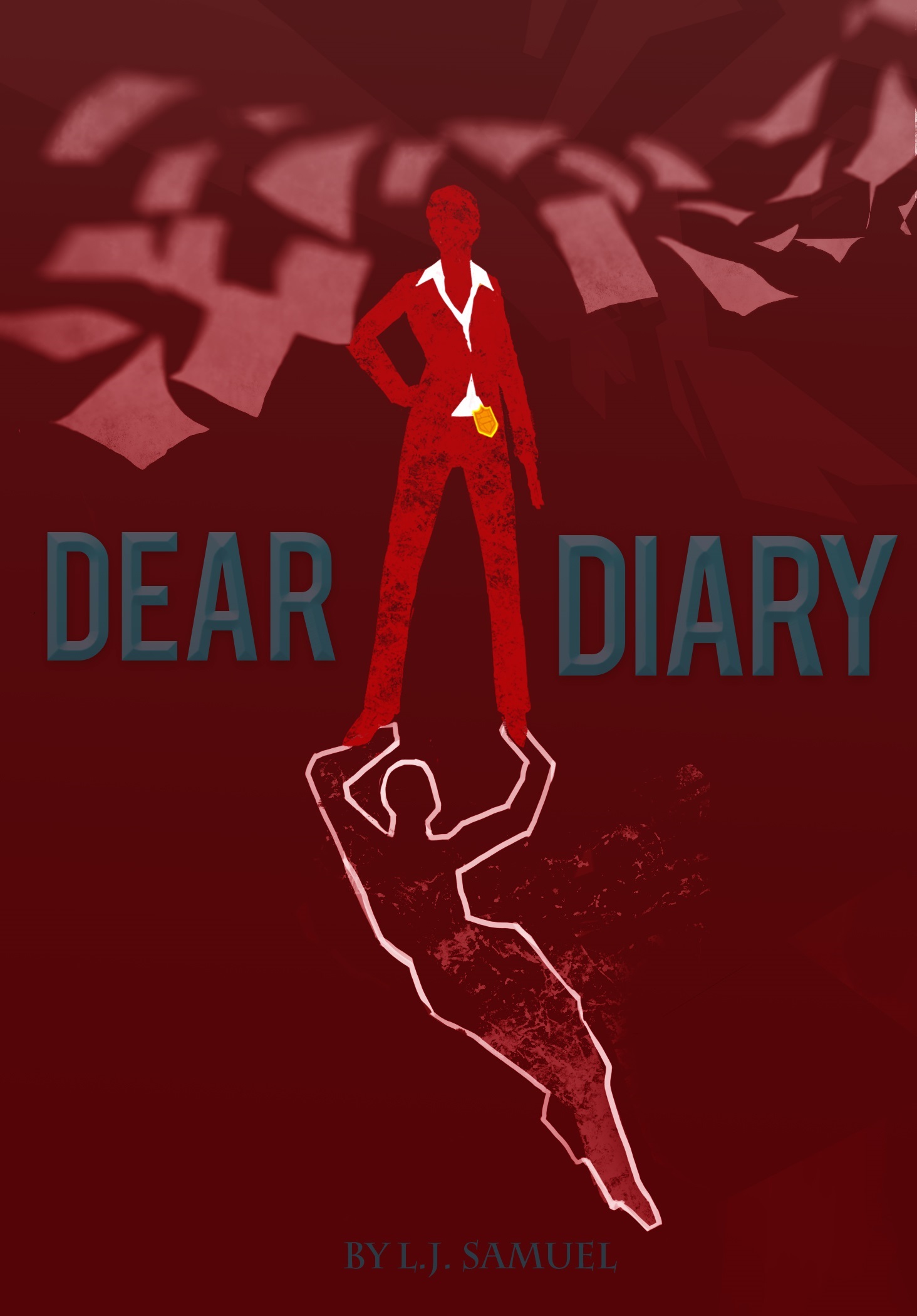
Today I’m sharing a chapter from my crime novel, Dear Diary.  It is a murder mystery set in the Nation’s Capitol and highlights the length one will go for lust, greed, and jealousy.  Enjoy!

CHAPTER ONE

The Murder Case

     My name is Samantha Harris. I am 30 years old and I head up the Homicide Branch, a premier homicide squad with the DC Police Department. I am tough, tenacious, smart, and I am good at what I do. I have been assigned to Homicide for just over a year, but have proven useful to my superiors as I have “the gift.”  When it comes to solving homicides, I am able to see the full picture and drill down to minute details -details often missed by others- that help me solve some of the most difficult murder cases. I am easy on the eyes, as they say, well educated, and well-spoken so I am often thrust in front of the camera to give statements on behalf of the department. I get along with families of murder victims no matter how rich or poor and I am able to put together the puzzle pieces that lead me to the murder suspect. It’s rare that I don’t get my man.

I just arrived on the scene of a brutal murder in Crestwood, a small area within the 16th Street Heights neighborhood of Washington, D.C.  Crestwood is one of the few neighborhoods that make up the Gold Coast, an affluent area in the northwest section of the city known for its educated, connected, and well-off residents. Massive million dollar homes, perfect lawns, expensive cars, and toy dogs are a permanent part of the neighborhood landscape. The latest census figures show that nearly 40% of Crestwood residents possess a law degree, medical degree, doctorate, or Master’s degree with the neighborhood ranking among the top 15% of the wealthiest residents in the entire country. As such judges, top hospital officials, and university presidents call this home.

It is an early evening in September. It has been unseasonably warm so people are milling around and neighbors are hanging out trying to get a look at what is going on. Range Rovers, Porches, and Benzes occupy residence in every other driveway. Au pairs push strollers up and down the street while personal drivers patiently wait in black Lincoln Town Cars waiting for their next assignment. Every now and then, a soccer mom drives up and hops out of a Volvo SUV sporting Lululemon yoga pants, Gucci sunglasses, and diamonds so large you could see them from down the street. I side step and maneuver around the privileged Crestwood residents who fire questions at the officers guarding the perimeter of the crime scene demanding to know what is going on.

The victim is a 30-year-old female lawyer, a rising star at a swanky downtown corporate law firm. Megan Smith. She was a tall, beautiful woman with fiery red hair and an athletic body. She played varsity volleyball at Stanford University, where she attended for both undergrad and law school. But, unfortunately, none of that matters because Megan is dead.

“What do we have, Jay?” I say to my sergeant as I slip on a pair of blue latex gloves. Sergeant James Thomas, affectionately known as “Jay,” is a big, burly, black teddy bear who can crack a skull or coo at a baby. I bend down to put shoe covers on over my boots and slowly survey the room. It is what you would expect in a neighborhood like this. Brazilian cherry hardwood floors gleam under antique furniture and strategically placed oriental rugs. Someone had great taste. Expensive paintings line the walls in the hallway. I am no art expert but there was a Norman Rockwell painting on the wall near the front door that I was certain was authentic.

“What’s that sound?” I ask Jay, my attention on the kitchen in the back.

“Water,” Jay says.

I walk slowly into the gourmet kitchen where the body was found. I take in every detail from the scuffs on the floor, to the smell of men’s cologne, to the faint sound of a television in the background.

“Looks like she was washing some vegetables for dinner when she was interrupted,” I surmise, as I look up and down the kitchen countertop.

I step over pieces of glass.

“Glen?” My forensics guy pokes his head around the corner.

“Did you get pictures of this?”

“Yes ma’am,” he says, “but I left everything in place without moving items just the way you like it.”

“Good,” I say and I look up at the ceiling trying to digest what happened here, my mind racing.

“Where’s the husband? I thought someone said she was married.”

“She is, Doc, but we haven’t gotten a hold of him yet,” answers Jay.

     Hmmm. When I reach the body, I see Megan Smith, Esq. lying in a pool of her own dry blood. I reflect on the irony of this type of violent death hitting the likes of this neighborhood as the sound of my booties shuffle across the pristine marble floors.  Residents from this neighborhood believed they were immune from the crime and violence that touched other parts of the city, but clearly, this was not the case.

I examine the body. The bruises on her face are blistering, signifying that she has been dead a few hours. Rigor mortis has begun to set in. I lift her arms and move the fingers on her hands to look for evidence of skin, fibers, or anything else that may add a piece to her puzzling murder. Her hair, which looked to have been pinned up in a neat bun, is pulled out of its clip. Tears have dried on her now lifeless face. She lies awkwardly on the kitchen floor, her right knee bent underneath her – the position she fell in as her attacker punched, hit, and pushed her around in his rage. Yes, his. I am almost certain she died at the hands of a man. There is so much trauma to her face. Someone was very angry.

I move away from her body as something catches my attention. Papers and files lie in a heap on the floor over near the massive kitchen table. They’re covered in a red stain that looks like wine. Odd.

“Jay?” I look up at him. “Exactly what did our victim do?”

“She was a lawyer,” he says, glancing at his notebook. “Corporate law. Commercial real estate deals, represented big corporations, that sort of stuff.”

“Okay, find out what cases she was working on. Maybe she had an enemy.”

“Doc?” I turn at the sound of Detective Gregory’s voice.

Trailing behind him is a middle-aged female officer in uniform. “This is Officer Loftus,” Gregory says, pointing a thumb at the officer. “She was the first officer on the scene and did a good job cordoning off the area and keeping the other uniforms out before we got here.”

“Officer Loftus,” I nod at her and she returns my greeting with a stiff nod of her own.

“Ma’am, I am very familiar with this house,” she begins without prompting. “I have been working this beat for 13 years and in the last four years, I have been called to this address at least a dozen times. The victim was a pretty sharp woman. She was really professional and about her business.”

“What about the husband?” I ask standing up so I could speak to her on eye level.

“Her husband was a piece of work. He was older than her by at least…15 years. I don’t know, ma’am, but he had some hold on her. He’s some real estate bigwig. Travels a lot but drinks more. He was always hitting her. Intimidating her.” I nod at her letting her know that she could continue.

“Now, I know she was real athletic herself, but this guy was a beast,” she states emphatically. “I know she was embarrassed and never wanted to press charges but it just wasn’t right!”

I take in what Loftus just shared and tell her, “I’m going to have one of my detectives sit with you to get copies of your notes and we need to track down the incident reports.”

“Whatever you need,” she says.  I can see the quiet sadness in her eyes as she turns to leave; I know the look well. She’s thinking that maybe she failed the victim somehow. If we could work every block and be in every house at all times, there would be no crime. But, we can’t. That is the thankless job of the police.

I sigh and get back to what I’m doing. “Ok, Jay, let’s walk through this.” Like any other crime scene, we try to re-create what may have happened to get a better idea of the details, a possible suspect, the motive, and a resolution.

I turn on the voice recorder on my department-issued iPhone, and slowly and methodically walk through the crime scene starting at the front door.  “After a long day of work, Megan comes home. She kicks off her shoes.” I point to her heels neatly lined up by the door. “She lays her keys on the table and throws her coat over the chair.” I point to a side table and Queen Anne chair in the sitting room adjoining the kitchen.

“With dinner on her mind, she moves into the kitchen, but not before she takes some paperwork out of her leather portfolio. She takes a bottle of wine out of the dining room banquet, along with a wine glass and pours some into it.” I turn back to the kitchen. “She moves into the kitchen, takes some ingredients out of the fridge, and turns on the water in the sink when she is surprised by her attacker. They argue? She turns her back and that’s when he strikes her the first time. She stumbles but doesn’t go down. She turns to get away and he grabs her hair pulling it out of the bun clipped on her head. She struggles to get away but he is too strong. He strikes her across the face. Her stomach must have been in knots, fear overtaking her.” My stomach drops, a lead weight pushing at my kidneys. “Hands grip her throat, squeezing the life out of her and she is down. Before the killer leaves, he rifles through the papers Megan left on the table looking for something. He does not find what he is looking for and crumbles the papers tearing some in the process. He spills red wine over the papers and knocks the wine glass to the floor shattering it. There are no signs of forced entry. Everything is pretty neat except for the kitchen area, so it has to be someone she knew, someone with a key. The husband….”

Jay clears his throat when my voice trails off.  I look in his direction. I have butterflies in my stomach. I blink my eyes quickly and refocus. These homicide cases were routine to me but for some reason this case was really bothering me.

“Um, I think that’s all we’re going to get right now,” I say quietly. “Let’s let mobile crime finish their scene documentation and head downtown and meet with the rest of the squad.”

We walk towards the front door when someone calls my name. I turn to see Glen holding a plastic evidence bag.

“What’s this?” I ask.

“I’m not sure but it may be something useful to the case.”

He hands me the bag, which contains what looks like a planner or journal. I smooth the plastic to get a better look and embossed in gold letters on the front cover is the word Diary.

Copyright © 2013 by L.J. Samuel
All rights reserved.

Dear Diary is a perfect summer read and may be found online (paperback and Kindle) at:

http://www.createspace.com/4441219
http://www.amazon.com/gp/aw/d/1500638293/
http://www.amazon.com/gp/aw/d/B00OXHQKS2/

*all reviews of the book are truly appreciated

Be safe,

L.J.
Follow me on Twitter: @CrimeDoc1213

#deardiary #ljsamuel #crimefiction #Washington #DC #crime #justice #murder #mystery #spousalabuse #domesticviolence #amwriting #amreading #summerreading #beachreading #Amazon #Kindle


Like a Girl

Always debuted their #LIKEAGIRL campaign during Super Bowl XLIX February 1st, 2015 by airing an ad featuring young girls, women, boys, and men performing various tasks when prompted by the off screen interviewer.  For example, they were asked to run like a girl or to fight like a girl.  I find it interesting that Always chose to introduce this campaign during one of the biggest and most popular sporting events.  Football is a hyper-masculine sport where no player ‘runs’ or ‘hits’ like a girl. Unfortunately, sometimes what players are taught on the field carries over into their daily life.  Given the tumultuous year the National Football League (NFL) has had with domestic violence, perhaps Always wanted to remind viewers and consumers that women still matter. What you were left with at the end of the commercial was a well-played dichotomy. But I shall take it a step further. Men don’t hit like a girl, so they should never hit a girl, young lady, or woman. We all need to find other ways to deal with conflict. Let’s use our words and not our fists.

It is a known fact that modern women are more educated, they are strong, independent, and they make their own money.  But they are still women.  So if a man is not secure enough to handle a strong woman, then leave her alone.  Do not take your insecurities out on her.  Do not belittle her because you don’t have a university degree.  Don’t make negative comments about items she buys just because you may not be able to afford the same luxuries.  Bottom line: don’t mishandle her because she feels like a girl, bruises like a girl, and bleeds like a girl.

Be safe,

L.J.
Follow me on Twitter: @CrimeDoc1213

#LIKEAGIRL #Always #SuperBowl #NFL #strength #peace #love #female #empowerment #personalsafety #domesticviolence #spousalabuse #crime #justice #ljsamuel #deardiary