
Safety at the Pump

 Gas station

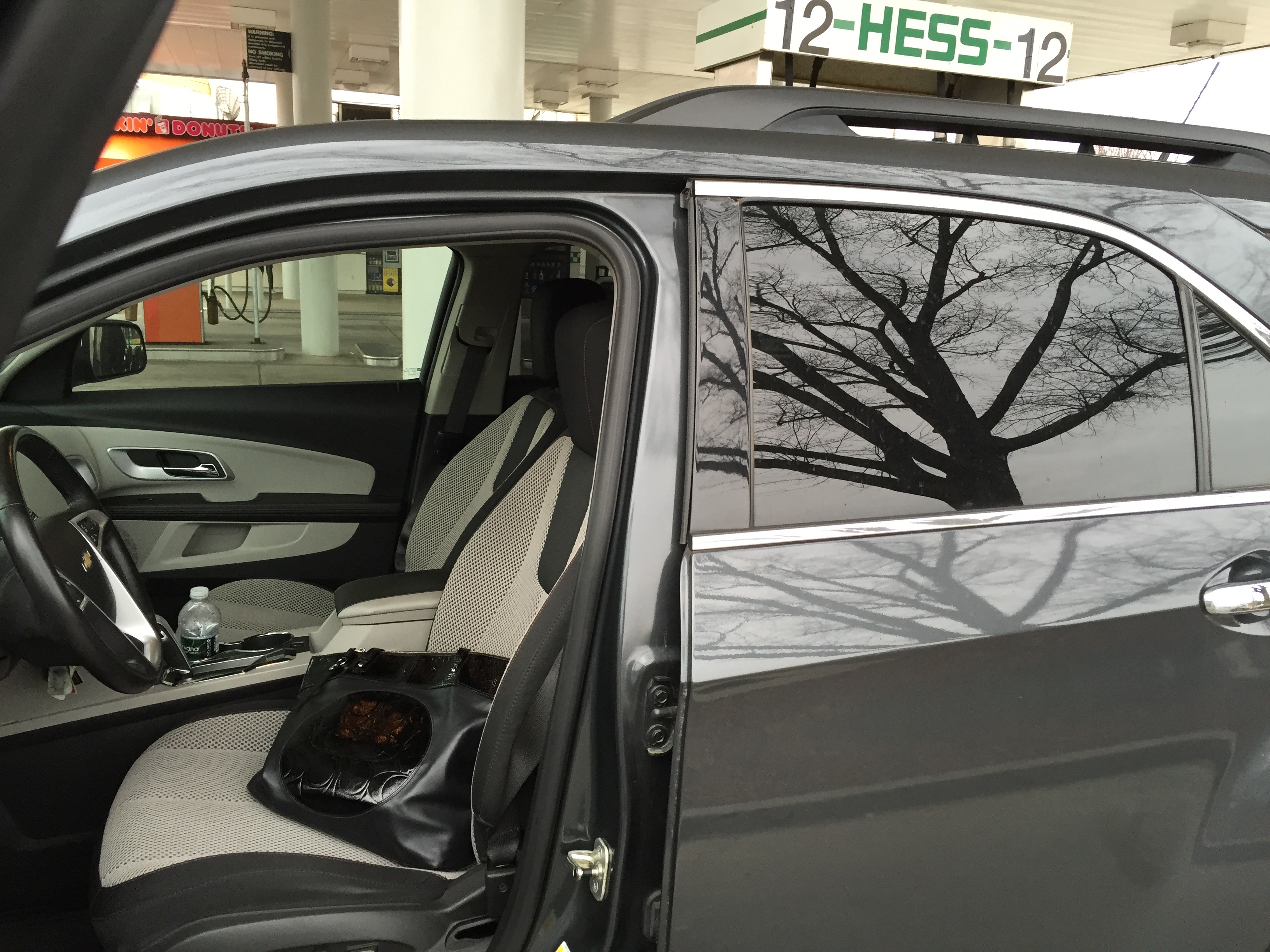
 You have heard the story before. A woman pulls up to a gas pump and hops out of her car to quickly fill up her gas tank on her way home from work. While pumping her gas, she pulls out her cell phone and sends a quick text to a friend. Then she hops back in her car and reaches for her purse to put her credit card back and notices that it is gone! How could this have happened?

Let’s analyze the scene. The victim in this fictitious scenario made herself an easy target for any thief lurking nearby. To start with, she left the driver’s side window of her car down. Never leave any windows down or unlocked when pumping gas and always take your keys with you. Next, our victim left her purse and valuables on the front passenger seat in plain view. Never leave your wallet, purse, or other items of value in an unlocked car. Lastly, the victim used her cell phone while pumping gas which meant that she was not paying full attention to her surroundings. Limit distractions when at the gas station. You are only there for a few minutes. Minutes that can make the difference between you leaving with everything you came with, or perhaps having to call the police to report stolen valuables, a stolen automobile, or worse an assault on your person.

Online searches reveal countless stories of this offense across the District of Columbia, Maryland, and Virginia. It is a common occurrence locally and across the country. But this type of crime is preventable. The next time you get gas, there is one simple thing you can do to protect your valuables and life so that you are not the next victim. Lock your doors!

Be safe,

L.J.
Follow me on Twitter: @CrimeDoc1213

#gaspumpsafety #personalsafety #crimeprevention #crime #ljsamuel #deardiary

Note: Stay tuned for details on Self-Defense Workshop tentatively scheduled for the end of January 2015.

References

American Petroleum Institute. (2014). Staying safe at the pump. American Petroleum Institute. Retrieved from http://www.api.org/oil-and-natural-gas-overview/consumer-information/use-energy-safely/.

National Crime Prevention Council. (2014). Gas station theft prevention. Retrieved from http://www.ncpc.org/topics/home-and-neighborhood-safety/gas-station-theft-prevention.

Zurko, R. (2013, August 8). Sliders at gas stations: Women targeted by sliders while pumping gas. The Examiner. Retrieved from http://www.examiner.com/artice/sliders-at-gas-stations-women-targeted-by-sliders-while-pumping-gas/.
Work Out Like Your Life Depends on It

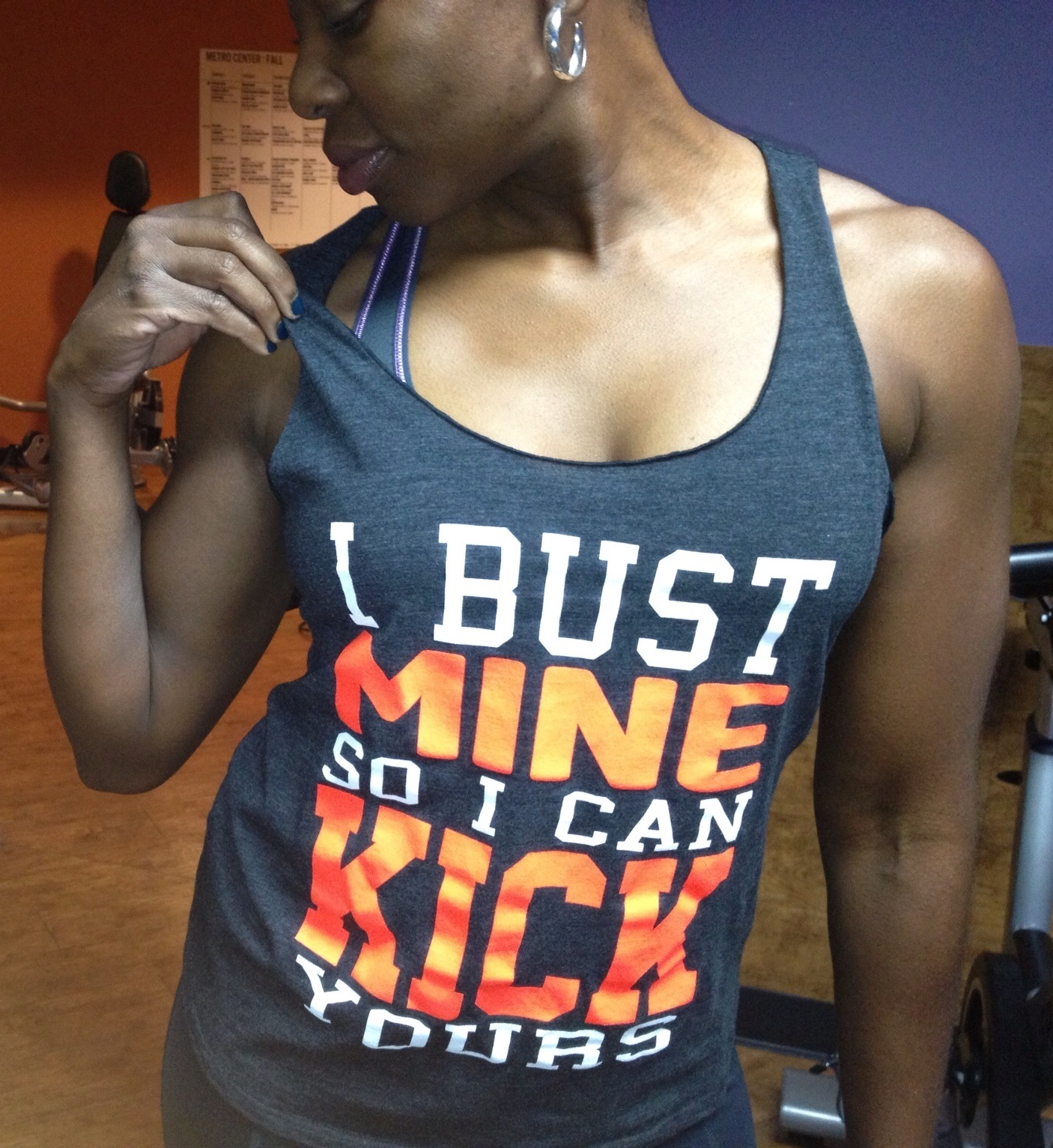
In the continuing theme in looking at ways to reduce our overall personal victimization, today’s post looks at the interaction between exercise and self-defense. There is some research that suggests that females who play sports are less likely to be victims of crime (Harder, 2007; Taylor et al, 2012). Those women that were victimized as a child (ex. physical or sexual abuse) are more likely to enroll in self-defense classes (Brecklin, 2004). Furthermore, females that exercise more frequently tend to have higher self-esteem, are more assertive, and are more self-confident (Harder, 2007). A study of female students from a western university found that those that played on a varsity sports team were “three times less likely to report victimization than non-varsity athletes” (Harder, 2007).

As I highlighted in the Personal Safety Tips in my December 16, 2014 blog post, there are practices we can all engage in to reduce our chances of becoming victims. Self-defense classes teach women (and men) techniques to protect themselves against violence or some other harm or injury. Reputable classes are taught by a law enforcement and/or martial arts expert. After taking a self-defense class, one must not be reckless. I am in no way suggesting that a woman can beat up a male attacker after taking a class, so please do not get over-confident!  These classes do however give you more awareness of your environment and different situations you may be placed in when you are alone. The key is to be alert, know your surroundings, and to recognize warning signs to avoid danger.

So, the next time you hit the gym, work out like your life depends on it.

Be safe,

L.J.
Follow me on Twitter: @CrimeDoc1213
#selfdefense #workout #crime #victim #violenceagainstwomen #ljsamuel #deardiary

Note: Stay tuned for details on Self-Defense Workshop tentatively scheduled for the end of January 2015.

Workout

                                                                Works Cited

Brecklin, L. (2004). Self-defense/Assertiveness training, women’s victimization history, and psychological characteristics. Violence Against Women, 10 (5), 479-497.

Harder, N.R. (2007). The roles of exercise habits, gender stereotype of exercise, and self-esteem in sexual victimization (Doctoral dissertation). Retrieved from ProQuest. (3380304).

Taylor, M., Matthew, J., Wamser, R., Welch, D., & Nanney, J. (2012). Multidimensional self-esteem as a mediator of the relationship between sports participation and victimization: A study of African American girls. Violence and Victims, 27 (3), 434-452.