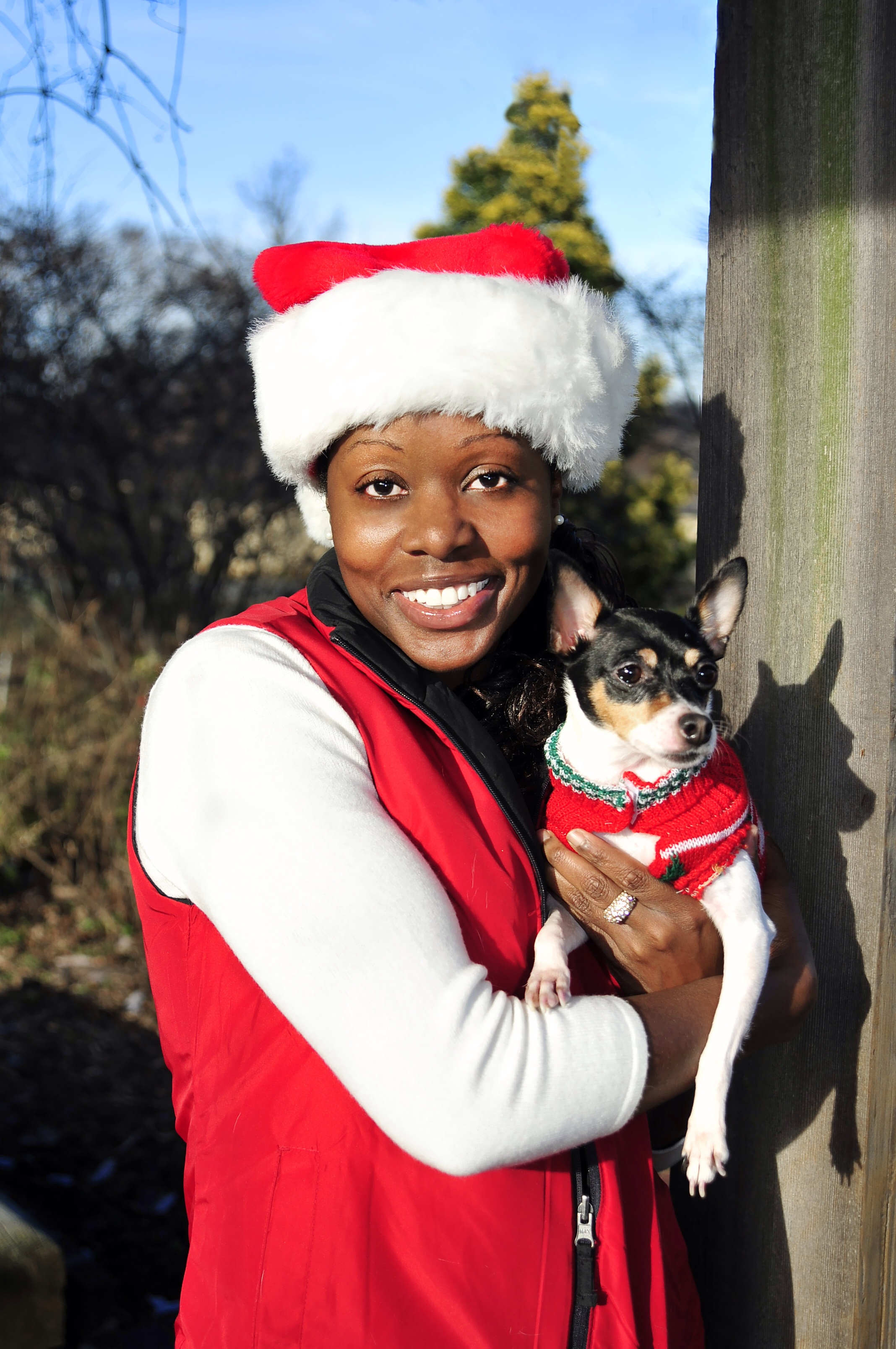
Love is not supposed to hurt

Image result for domestic violence in black community

Today is Valentine’s Day.  Dinner reservations have been made and the night will bring flowers, candy, and cards.  For some women however, the dinner will be thrown to the floor in anger, cards will be ripped to pieces, and nothing sweet will pass her lips.  For them, the night means walking on egg shells in fear and fists driven into her chest and back.  For some, the one they love, the one they call husband, boyfriend, or partner is the one who inflicts the most pain.  Pain borne out of insecurity.  Pain borne out of misplaced blame.  Pain borne out of pure evil.  Love is not supposed to hurt.  But the chances are you know a woman that is in an abusive relationship and the beatings have become her norm.

Like many crimes, blacks are disproportionately represented as victims of domestic violence and intimate partner violence.  Black women are 35% more likely to be victimized by a partner than white women (NCADV, 2017).  Black women are also three times more likely to be killed by an intimate partner.  Among black women ages15-35, domestic violence homicide is one of the leading causes of death.  Love is not supposed to hurt.  Love is not supposed to hit.  Love is not supposed to kill.  This is not love.  Sadly, these victims often suffer in silence.  They do not tell because they truly love their partners.  They do not tell because they are embarrassed.  They do not tell because leaving may mean loss of financial support.  And they do not tell because they do not want to hand their man over to the police, an institution that has historically brutalized black men.

Domestic violence and intimate partner violence is such a complex issue that often those on the periphery resort to victim blaming.  Further in some communities of color this phenomenon is normalized with abusers given a pass.  This behavior is not normal.  Using the body of a woman as a punching bag to work out one’s anger is wrong, monstrous, and criminal.  The black community needs to confront this issue and bring it out into the open.  Increasing awareness, knowing the signs of abuse, and providing access to resources for victims and their support system are key.  These statistics no longer need to be our reality.  Our young girls and women deserve more and need our help.  Let’s end this now.  Change the norm.  Know the signs.  Acknowledge the behavior.  Condemn abusers and help the victims.

Be safe,

L.J.
Follow me on Twitter: @CrimeDoc1213/@Cupids_Sting
Follow me on Instagram: @cupidssting

#ValentinesDay #love #hurt #domesticviolence #intimatepartner #violence #EndDV #abuse #violenceagainstwomen #endthisnow #crime #justice #support #knowthesigns #help #protectourgirls #protectourwomen #cupidssting #nonprofit #MeToo #TimesUp #LaurieSamuel #crimedoc

The National Domestic Violence Hotline may be reached at 1-800-799-SAFE (7233).

References

Jones, F.  (2014).  Why black women struggle more with domestic violence.  Time.  Retrieved from http://time.com/3313343/ray-rice-black-women-domestic-violence/.

National Coalition Against Domestic Violence.  (2014).  Domestic violence fact sheet.
Colorado: National Coalition Against Domestic Violence.
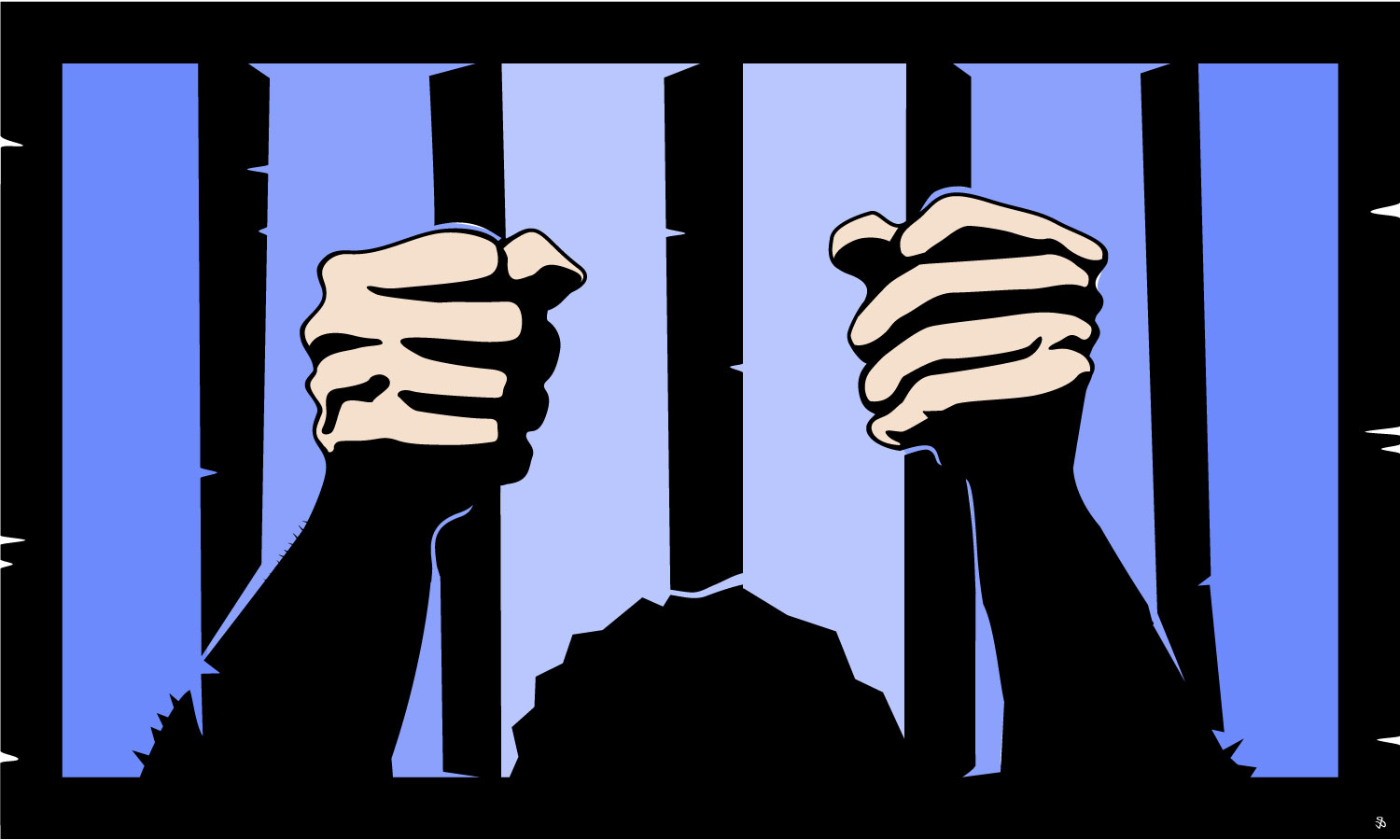
 

Incarcerated Fathers

Prison Bars

Children who have parents that have been incarcerated are five times more likely to spend time in prison when they become adults compared to children who have never had an incarcerated parent (Urban Institute, 2003).

Crime is leveling out in the United States yet there are scores of people still being warehoused in prisons across the country.  The majority of these prisoners are parents.  The incarceration of a father has a devastating impact on the family unit, namely because of the huge financial loss.  Furthermore, when daddies are locked up, there is a strain on spousal relationships, a disruption in the parent-child relationship, and the loss of a ‘father figure.’  Using an excerpt from an interview of a father returning from prison, this post looks at the impact of incarceration on the family unit and its resulting financial, emotional, psychological, social, and community costs.

The subject of this interview was imprisoned for armed robbery.  When he entered prison, he had two young boys, aged 3 and 5 and spent a total of 10 years in prison for his crime.  The following is an excerpt from the interview:

Samuel: What were your experiences and those of your family?

Subject Father: “I was more distant from my family. As time went on, there was less communication with me and more negative thoughts placed in my kids’ heads.”

Samuel: What changes did your family go through?

Subject Father: “They found themselves going to foreclosure and eventually lost the house.  From that point they wandered from family and friends and in and out of different apartments.  My kids developed discipline problems at home and at school.  When I came home, they were more belligerent and they would not listen to me.  I found the relationship with my kids to be distant.  Not what it was before I left.  My wife caught the attention of other men while I was locked up and we eventually separated and divorced.”

Samuel: Did you maintain ties with your family while you were locked up?

Subject Father: “Yes, mainly through letters and phone calls.  The kids were too young to read.  I had three visits from my family while I was in prison.  My kids’ mother was more supportive in the beginning but as time went on, we became more distant.

Samuel: What other changes did you experience?

Subject Father: “When I came home, there were a lot of changes.  I had to re-adapt to society and find other support through friends to help financially and mentally to make change.  I had to re-invent myself.  I got my CDL license in order to find another job and get in the workforce.  On prison, you don’t want to be there because a lot of things that happen in prison stay in prison.  You have to re-adapt to a whole other type of society in prison.  There are things you should do and not do and I would never want my kids to experience that.  Never!”

While this is only one illustration of what happens to a family unit when a father is locked up for several years, our subject father’s story is commonplace among communities and cities in this country.  There is no arguing the fact that if someone commits a crime they should be held accountable but the resulting impacting on children and families cannot be ignored.  And the sad fact is that one’s criminal act is often the spark that ignites the never-ending cycle of poverty, unemployment, substance abuse, and crime.  I just hope the future is brighter than the past and present situation.

Be safe,

L.J. Follow me on Twitter: @CrimeDoc1213

#incarceratedfathers #incarceration #prison #crime #justice #cycle #poverty #delinquency #family #fatherfigure #future #hope

 References

Samuel, L. (2004). Family issues: The impact of an incarcerated father on the family unit (Unpublished paper). Howard University, Washington, DC.

Travis, J., McBride, E., & Solomon, A. (2003). Families left behind: The hidden costs of incarceration and reentry. Washington, DC: The Urban Institute.

Image source: imgkid.com

Happy Holidays!

Merry Christmas! Happy Hanukkah! Happy Kwanza!

image

The holidays are a time of joy but they can also be a time of sorrow. Please keep in your thoughts and prayers those that are grieving and going through difficult times. Enjoy your family time and as you move from house to house dropping off gifts and enjoying all the season delights, please be vigilant in your activities.

This past week, the world lost two New York Police Department (NYPD) Officers to senseless and irrational violence. God bless the souls of Officer Rafael Ramos and Officer Wenjian Liu who died as they served their community. Vengeance is not ours. Not everyone means us well but I believe in the inherent good in people. Use this time to slow down and reflect. We are all brothers and sisters whether black, white, red, or yellow. We are all connected whether we are wearing blue, white, a fancy suit, or rags. Let’s do better now, and in the coming year. Reflect. Ponder. And act accordingly in love and kindness.

Peace, love, and blessings,

L.J.
Follow me on Twitter: @CrimeDoc1213

#Christmas #holidays #peace #NYPD #family #ljsamuel #deardiary

References

Moore, T., Eisinger, D., Parascandola, R., Tracy, T., & Schapiro, R. (2014, December 21). Two NYPD officers ‘assassinated’ while sitting in patrol car in Brooklyn by gunman who boasted on instagram about ‘revenge’ killing cops. New York Daily News. Retrieved from http://www.dailynews.com/new-york/nyc-crime/cops-shot-brooklyn-sources-article-1.2051941.